 Add Row
  Add
Add 


Did you know that over 80% of leading marketers credit AI technologies with amplifying both engagement and revenue across their digital marketing strategies? This staggering statistic highlights how businesses maximizing AI in marketing benefits are outperforming their competitors and unlocking new sales growth opportunities at an unprecedented rate. If you're ready to move beyond outdated methods, this guide will show you how embracing AI can transform your marketing strategy, revolutionize your customer experience, and dramatically increase your bottom line.
Shattering Old Beliefs: The Startling Impact of AI in Marketing Benefits
For decades, traditional marketing strategies focused on creative campaigns and broad demographic targeting as the core tactics. However, the digital era—and especially the rise of AI in marketing benefits—is rewriting the rulebook. With artificial intelligence, analytics are more precise, automation is smarter, and customer interactions are more meaningful. Businesses adopting AI tools and technologies now have the power to analyze customer behavior instantly, segment audiences more effectively, and deliver hyper-personalized content in real time. The implications for digital marketing are profound: brands that once struggled to connect with prospects can now engage them with tailored offers, improving conversion rates unlike ever before.
The impact of AI marketing extends beyond improved efficiency. It opens the door to creative, data-driven experiences that set brands apart. Whether leveraging predictive analytics or deploying a cutting-edge AI tool for automated content creation, today's marketers use artificial intelligence to boost revenue and customer engagement. If you're hesitating to adopt these technologies, consider this: those who embrace AI in marketing benefits gain a measurable edge in speed, adaptability, and personalization, putting old marketing practices in the rearview mirror.

A Statistic that Changes Everything: AI’s Role in Digital Marketing
"Over 80% of leading marketers credit AI technologies with amplifying both engagement and revenue across digital marketing strategies."
The above statistic is not just another marketing trend—it marks a fundamental shift in digital marketing. As AI adoption increases, the gap widens between companies harnessing AI in marketing benefits and those sticking with outdated strategies. From individualized product recommendations to responsive social media messaging, AI systems are fueling more personalized, engaging campaigns. This rapid adoption across the ai market means businesses that delay risk falling behind in customer engagement, efficiency, and ROI.
What You'll Learn About AI in Marketing Benefits
- How AI in marketing benefits optimize marketing strategy
- Practical applications of artificial intelligence and machine learning in digital marketing
- Ways generative AI and natural language processing revolutionize content creation
- The role of predictive analytics and data analysis in improving conversion rates and customer experience
Understanding AI in Marketing: Core Benefits & Definitions
Before unleashing the transformative power of AI in marketing benefits, it’s essential to understand what artificial intelligence means in this context. At its core, AI refers to systems designed to replicate—and enhance—human decision-making. In marketing, AI tools leverage technologies like machine learning and natural language processing to perform sophisticated data analysis, automate processes, and create personalized content at scale. These AI systems not only optimize marketing tasks but also introduce new strategic capabilities, setting the stage for the next evolution of digital marketing.
Unlike traditional marketing, which relies on broad assumptions and manual segmentation, AI-powered digital marketing delivers hyper-personalized experiences based on real-time data and predictive analytics. Embracing AI technologies means integrating these evolving tools into every aspect of your marketing strategy. Whether you’re a small e-commerce startup or a global enterprise, understanding these definitions is the first step toward harnessing the true marketing benefits that AI brings.
Defining AI in Marketing Benefits: From Artificial Intelligence to AI Tools
-
What is artificial intelligence in digital marketing?
Artificial intelligence in digital marketing means using AI algorithms and analytics to drive decision-making, personalize content, and automate outreach. -
How AI marketing differs from traditional methods
AI marketing leverages data-driven personalization, automated optimization, and real-time responses, whereas traditional methods often rely on guesswork and broad targeting. -
Why machine learning and data analysis power modern marketing strategies
Machine learning and data analysis help marketers uncover hidden insights, predict trends, and deliver content tailored to individual customer behaviors, making campaigns far more effective.
Overview of Types: Natural Language, Machine Learning, Generative AI
- Natural language and natural language processing in customer engagement: AI interprets customer inquiries, enabling chatbots and support to respond in real time, giving users seamless help 24/7.
- Machine learning for personalized marketing: Machine learning tracks user behavior and adapts campaigns dynamically, improving open rates and making product recommendations more relevant.
- Generative AI for automated content creation: Tools like ChatGPT and Midjourney produce high-quality blog posts, ads, and even videos, freeing marketers to focus on strategy.
How AI in Marketing Benefits Transform Your Marketing Strategy
The real power of AI in marketing benefits comes into play when you integrate these technologies into your broader marketing strategy. AI-driven data analysis delivers actionable insights on customer preferences, optimal posting times, and trending topics in your industry. With this information, marketers make faster, smarter decisions—accelerating campaign deployment, reducing costs, and maximizing ROI. Whether through automating email segmentation or using predictive analytics to anticipate customer needs, AI is the engine behind more adaptive marketing strategies built to perform.
By adopting AI tools, businesses can also scale personalization dramatically. Imagine greeting every customer by name, tailoring offers in real time, and adapting messaging based on a user’s behavior—all automatically. These are the ai in marketing benefits driving success for brands in competitive markets. Plus, with advancements in generative AI and natural language processing, even small teams can execute marketing campaigns that previously required entire departments, leveling the playing field for businesses of every size.
Enhanced Data Analysis & Predictive Analytics for Marketers

- Leveraging data analysis to forecast trends
- Predictive analytics for proactive digital marketing decisions
Predictive analytics has transformed the way marketers approach their craft. By leveraging AI in marketing benefits, brands can use vast amounts of behavioral and transactional data to identify patterns, forecast future trends, and make proactive decisions that keep them ahead of the curve. AI-powered data analysis is far superior to manual methods, providing deeper insights and lightning-fast reporting. Rather than acting on gut instinct, marketers can rely on real-time information, optimizing their campaigns for maximum impact. In the era of digital marketing, predictive analytics is the difference between leading the market and playing catch-up.
The application of AI tools for trend forecasting empowers marketing teams to be more agile. For instance, if the data signals that customer preferences are shifting or a new competitor is gaining traction, you can pivot your messaging or product recommendations instantly. This just-in-time response makes it easier to drive conversion rates and elevate the customer experience. By implementing predictive analytics, your business prepares not just for today’s challenges, but for tomorrow’s opportunities as well.
| Traditional Data Analysis | AI-Powered Predictive Analytics |
|---|---|
| Manual data gathering and monthly reporting | Automated real-time insights and dashboards |
| Limited ability to detect emerging trends quickly | Predictive modeling anticipates customer behavior changes |
| Static segmentation, relies on past behavior | Dynamic segmentation, updates as data comes in |
| Prone to human error and bias | Minimizes bias, highlights actionable anomalies |
Personalization at Scale: Customer Experience & Engagement
- AI-driven customer experience improvements
- Natural language processing for personalized interactions
- Building customer engagement using AI tools
AI in marketing benefits truly shine in the realm of customer engagement and experience. Using machine learning and natural language processing, AI systems respond to users in real time, crafting tailored messages and product suggestions. This boosts satisfaction and loyalty, as customers feel understood and valued. Brands that utilize AI marketing platforms can segment their audience based on behavior, preferences, and interactions—offering the right product or solution at the exact moment of need.
These techniques work across all customer touchpoints, from personalized email campaigns to conversational chatbots handling customer service inquiries. Natural language processing allows AI chatbots to interpret the context and sentiment of queries, delivering more empathetic and helpful responses. This seamless interaction not only improves customer satisfaction but increases the likelihood of repeat business and higher average order values. As a result, companies that harness AI tools for personalization outpace competitors relying solely on generic mass marketing strategies.
Content Creation Reinvented: AI for Copy, Images, and Video

- Content creation with artificial intelligence and generative AI
- Natural language for SEO and blog writing
- Automated social media campaigns and image generation
Content is king, but creating fresh, high-converting material for every channel can be overwhelming. This is where generative AI and advanced AI tools revolutionize marketing workflows. AI copy generators can draft product descriptions, blogs, ad copy, and even scripts—optimized for SEO and brand tone—at a fraction of the time manual writing requires. Similarly, AI image and video generators produce stunning visuals based on a few prompts, perfect for social media and campaign assets.
The advantage of AI in marketing benefits here is twofold: not only do marketers save valuable time, but they also achieve consistency in messaging across platforms. Automation extends to scheduling and publishing, with tools analyzing the best times for audience engagement on social media. As a result, your marketing team focuses more on creativity and strategy, while AI systems handle the heavy lifting of execution—propelling your digital marketing efforts forward and boosting overall conversion rates.
Watch: How AI Tools Enhance Content Creation and Social Media Marketing
Conversion Rates: Boost Performance Using AI Marketing
- Predictive analytics and AI marketing tools for conversion optimization
- Case studies: Achieving higher conversion rates with artificial intelligence
The ultimate measure of AI in marketing benefits is its impact on conversion rates. From personalized landing pages driven by machine learning to AI-powered product recommendations in e-commerce, businesses are seeing substantial improvements in performance metrics. Predictive analytics not only identifies high-value prospects but also suggests the optimal combination of offers and creative to convert those leads, all in real time.
Companies implementing artificial intelligence report double-digit lifts in conversion rates after deploying AI marketing tools. For example, consider an online retailer leveraging AI to analyze browsing behavior and deliver targeted discounts; this approach routinely outperforms manual discounting and traditional campaign strategies. In summary, if you're focused on boosting marketing ROI, adopting AI tools for conversion optimization is a game-changer in the current digital marketing landscape.
Top AI Technologies and Tools Shaping Marketing Benefits Today
Spotlight on Leading AI Tools in Digital Marketing

- AI tool and ai market giants — software and platforms
- Comparing functionalities: Natural language processing, generative AI, and machine learning
The ai market is rich with innovative AI tools for marketing automation, content creation, and data analysis. Leading platforms combine multiple technologies—from machine learning and predictive analytics to generative content and natural language processing. When selecting platforms, marketers should evaluate whether the AI tool matches their business requirements: Does it offer robust SEO writing? Can it automate campaign delivery? Does it learn and improve over time? By comparing features across major software providers, businesses can find the perfect combination for their needs and take full advantage of the ai in marketing benefits.
The future is even brighter, as tool developers are racing to integrate more advanced analytics, omnichannel engagement, and self-learning capabilities. This rapid pace of innovation means staying up-to-date with the latest AI technologies is crucial for any modern digital marketing strategy.
Use Cases: AI in Social Media, Customer Service, and More
- Automating social media content and scheduling
- AI chatbots and virtual assistants for customer service
- Personalized recommendations and ads
The versatility of AI in marketing benefits is seen across various use cases. AI-driven tools schedule social media posts for maximum reach, analyze engagement to fine-tune messaging, and even suggest future content ideas. In customer service, chatbots powered by natural language processing handle routine questions, freeing human agents for more complex tasks. AI systems also personalize product recommendations, ad targeting, and email outreach, enhancing both customer engagement and sales results.
By automating repetitive marketing activities, AI empowers teams to concentrate on innovation. The result? Higher efficiency, improved ROI, and more memorable customer experiences that translate into brand loyalty.
Customer Case Study: Real Results from AI in Marketing Benefits
One e-commerce retailer boosted their average order value by 20% after implementing an AI recommendation engine. By analyzing customer behavior and purchase history, the system suggested relevant products at checkout, increasing both conversion rates and satisfaction. This case study illustrates the real-world potential of AI in marketing benefits for companies willing to embrace data-driven decision making.
Watch: Real-World Customer Success Stories with AI in Digital Marketing
Implementing AI in Marketing: Strategies, Steps, and Mistakes to Avoid
Building an AI-Enhanced Marketing Strategy

- Assess business goals and select the right AI technologies
- Align AI marketing with digital marketing objectives
- Ethical considerations and privacy in artificial intelligence
Success with AI in marketing benefits starts with a well-defined marketing strategy and a clear understanding of business objectives. Map the most impactful touchpoints where AI tools can make a measurable difference—whether that's lead generation, retention, or creative content creation. When choosing software, ensure it complements your broader digital marketing goals and integrates with your existing analytics, CRM, and advertising platforms.
Ethics and privacy should be at the forefront of every AI adoption. Ensure compliance with data protection standards, and provide transparency so customers understand how their information is being used by AI systems. Remember: the most effective marketing strategies today rely not just on creativity, but also on leveraging powerful AI technologies for both innovation and scale.
"The best marketing strategies today rely not just on creativity, but on leveraging powerful AI technologies for innovation and scale."
Common Pitfalls in AI Marketing Implementation
- Overreliance on automation without human oversight
- Failing to integrate AI with existing marketing strategies
While the promise of AI in marketing benefits is enormous, execution can falter if companies depend solely on automation. Human oversight remains essential for ethical decision-making, creative direction, and adapting to exceptions. Another common mistake is deploying AI tools in isolation, leading to disjointed customer experiences. Successful AI projects work when tightly integrated within the broader digital marketing strategy and monitored continuously for performance and relevance.
Avoiding these pitfalls ensures your AI adoption yields positive results and drives measurable growth in your marketing campaigns, from content creation to conversion optimization.
Checklist: Launching Your First AI Marketing Campaign
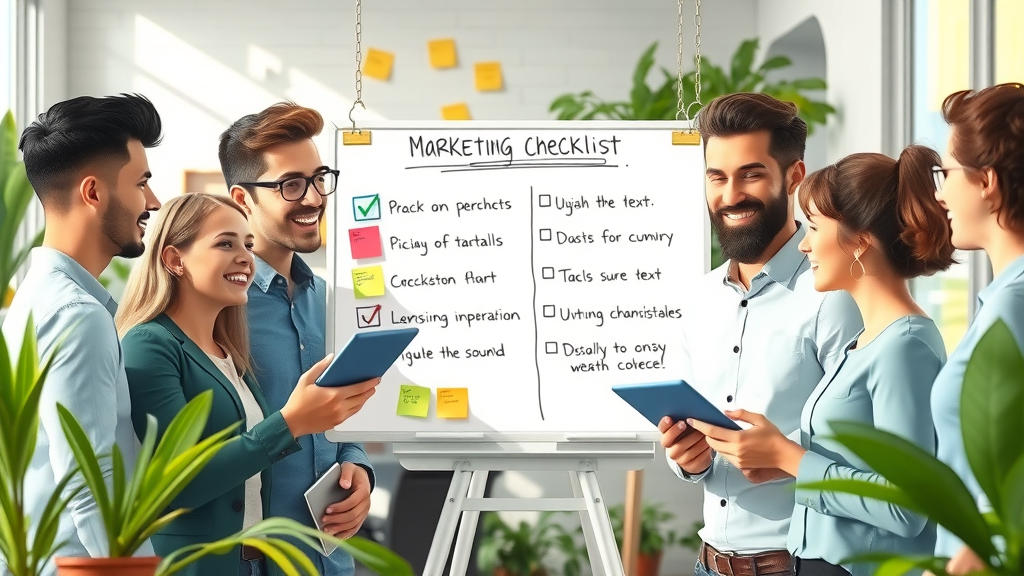
- Define use cases for AI in marketing
- Choose the right AI tools for your needs
- Train staff and align on KPIs
- Measure success and iterate
Ready to launch your first AI-powered marketing campaign? Start by pinpointing exactly where AI in marketing benefits your organization most—such as improving content creation, customer engagement, or data analysis. Select a tool that fits your scale and integrations. Provide training so your marketing team is comfortable with the new workflow, and set clear KPIs to track performance. Finally, analyze results after launch and iterate based on real-world feedback. This approach maximizes AI's potential and helps future-proof your digital marketing strategy.
Watch: Step-by-Step Guide to Launching an AI Marketing Campaign
The Future of AI in Marketing Benefits: Trends and Opportunities
Evolving AI Market: What Marketers Should Watch
- Growth of generative AI and advanced language processing
- Hyper-personalization through predictive analytics and machine learning
- Integration of emerging AI technologies in digital marketing
The future of AI in marketing benefits is incredibly promising. New developments in generative AI and language processing are enabling marketers to craft campaigns that are more creative, dynamic, and responsive than ever before. Hyper-personalization—delivering exactly the right offer or message to each user, at scale—will become commonplace, thanks to real-time predictive analytics and machine learning algorithms.
As AI technologies mature, expect deeper integration across marketing platforms, enabling seamless omnichannel strategies and measurable ROI. Staying informed on trends and new tools ensures your marketing initiatives remain innovative and competitive in an ever-evolving digital landscape.
Long-Term Impact on Digital Marketing Strategy
- Transformation of content creation and distribution
- Future standards for customer experience and engagement
Over time, AI in marketing benefits will continue to reshape how brands create, distribute, and optimize content. We’ll see the emergence of new standards for customer experience and engagement, where real-time personalization and cross-channel contact are expected by default. Marketing teams that prioritize continuous learning, experimentation, and technology adoption will succeed in building lasting, impactful relationships with their customers.
As reliance on data-driven decision-making grows, so too will the value of integrating AI tools and platforms at the heart of your marketing strategy.
People Also Ask: Common Questions About AI in Marketing Benefits
How does AI in marketing improve customer engagement?

- AI marketing uses behavior analysis and personalized messaging, powered by artificial intelligence and machine learning, to create tailored interactions that increase customer engagement and satisfaction.
What are generative AI applications in digital marketing?
- Generative AI creates original text, images, video, and even audio content, aiding in content creation, ad copy generation, and personalized marketing assets for digital campaigns.
Which businesses benefit most from AI in marketing?
- E-commerce brands, global enterprises, and B2B companies — any business leveraging extensive data in their marketing strategy stands to benefit significantly from AI in marketing benefits.
What is the difference between AI tools and machine learning in marketing?
- AI tools often incorporate machine learning algorithms, but machine learning specifically refers to systems that learn and adapt; AI tools may include automation, language processing, generative tasks, or predictive analytics.
Frequently Asked Questions about AI in Marketing Benefits
-
What is predictive analytics and how does it affect conversion rates?
Predictive analytics uses AI-powered data analysis to anticipate customer actions, optimize campaigns, and improve conversion rates by targeting users with the right message at the right moment. -
Can small businesses leverage AI technologies for competitive advantage?
Yes! Powerful yet user-friendly AI tools now make it possible for small businesses to automate tasks, personalize outreach, and analyze data like never before. -
Are there risks associated with implementing AI in customer experience?
Risks include loss of personal touch, privacy concerns, and overautomation. Balancing AI efficiency with human oversight is key to a positive customer experience. -
How does machine learning differ from natural language processing in marketing?
Machine learning is about data-driven predictions and automation; natural language processing focuses on understanding and generating human language for engaging interactions. -
Which AI tools are considered the most effective for digital marketing in 2024?
Look for platforms that combine content generation, analytics, and omnichannel automation, such as Jasper AI, HubSpot AI, and ChatGPT.
Key Takeaways: Maximizing the Power of AI in Marketing Benefits
- AI in marketing benefits businesses with improved data analysis and predictive analytics.
- Artificial intelligence enables enhanced customer experience and hyper-personalization.
- Generative AI tools streamline content creation and social media marketing.
- Customer engagement and conversion rates can rise dramatically with an effective marketing strategy built on AI technologies.
Conclusion: Why Embracing AI in Marketing Benefits Your Bottom Line
- AI in marketing benefits are driving innovation, efficiency, and measurable results.
- Artificial intelligence is now a competitive must-have for digital marketing strategies.
- Future-focused businesses are leveraging generative AI, machine learning, and predictive analytics for sustainable sales growth.
Ready to Transform Your Digital Marketing with AI?
- Looking for more online visibility for your business? Call us at 4153075228




Write A Comment